|
Last time, I talked about how learning the violin (or any musical instrument) is really just a continuous process of debugging and discovery.
Today, I want to share some thoughts on what kind of mindset adults need when learning the violin, especially if you're a complete beginner starting violin as an adult. First of all, I didn’t start learning as an adult. I began intensive music training and violin practice when I was about four years old. Now, as a violin teacher and a piano teacher, I often reflect on my own learning journey. I truly believe that learning the violin should be joyful but efficient. Life is short, and if you’re constantly grinding through violin practice without direction or motivation, it’s easy to burn out. Though I didn’t begin my music journey as an adult, over my 20+ years of teaching, I’ve worked with many adult beginner violin students. And from that experience, here are some mindset shifts and practical tips that can really help. 1. Learning the violin is a process—don’t chase the end result. Many adult students come in saying: “I want to learn to play this song.” Then they jump straight into it, trying to make it sound right by any means necessary. That urgency may feel productive, but it often kills the joy of the journey. The same thing happens with kids too—if they only focus on violin exams or competitions, they miss the foundation. Eventually, they get stuck and frustrated because they lack core techniques. So yes, have a goal—maybe there’s a song you love—but remember: your violin teacher is here to guide you step by step, and you need to be willing to break that goal down into manageable pieces. Some adult learners bring in easy violin sheet music where every note is labeled with finger numbers or letter names. That might seem helpful, but it’s not how you truly learn music. It’s like trying to cook a fancy dish without knowing the ingredients—you’re just mixing things blindly, not understanding what you’re doing. 2. If your teacher can play well, you can too—but think about how much time they’ve invested. Adult beginners often tell me, “I’m not flexible enough” or “my fingers are too stiff.” Yes, adult fingers can be less flexible than children’s—but that’s not a valid reason to give up. Adult violin practice still works—if you’re consistent. Kids often practice 15 minutes to an hour a day. If you're learning violin as an adult, you should ask yourself honestly: how much time can I commit? Even 15 minutes a day makes a big difference. Daily violin practice is key. 3. Learning violin is lifelong—there is no final destination. Even now, as a violin teacher, I’m still learning and improving. So instead of asking “When will I be good enough?”, ask “How do I keep learning in a way that’s sustainable for me?” For example, if you're not sure you heard the issues your teacher pointed out during the lesson, use your phone to record it. Re-listen later. Use tech to support your violin ear training and self-assessment. 4. Violin technique isn’t just in the hands. You’re also using your brain, eyes, ears—and sometimes even your feet. Don’t practice when you’re overly tired. The best time to practice violin is when your mind is clear and focused. Mindful practice beats mindless repetition. 5. Ask questions.If something doesn’t make sense, speak up. Your teacher is there to help. Don’t stay stuck. Every industry has its depth—but the world of music and the arts runs even deeper. Art combines history, emotion, and humanity. The violin is just one of many tools to express that beauty. But before you can use it to communicate, you need time, effort, and a lot of patience. So take your time. Be kind to yourself. Learning violin as an adult might be challenging—but it’s also one of the most rewarding journeys you can take.
0 Comments
The world of education has undergone a remarkable transformation, with the advent of technology enabling new and exciting learning opportunities. One area that has particularly benefited from this shift is music education, with platforms offering online violin or piano lessons. While some may question the effectiveness of learning a complex instrument like the violin online, it's important to recognize the numerous advantages this mode of instruction holds, especially for little kids. In this blog post, we will explore how learning violin online can be a truly enriching experience for young aspiring musicians and how it can provide a comfortable and intimate learning environment facilitated by their parents.
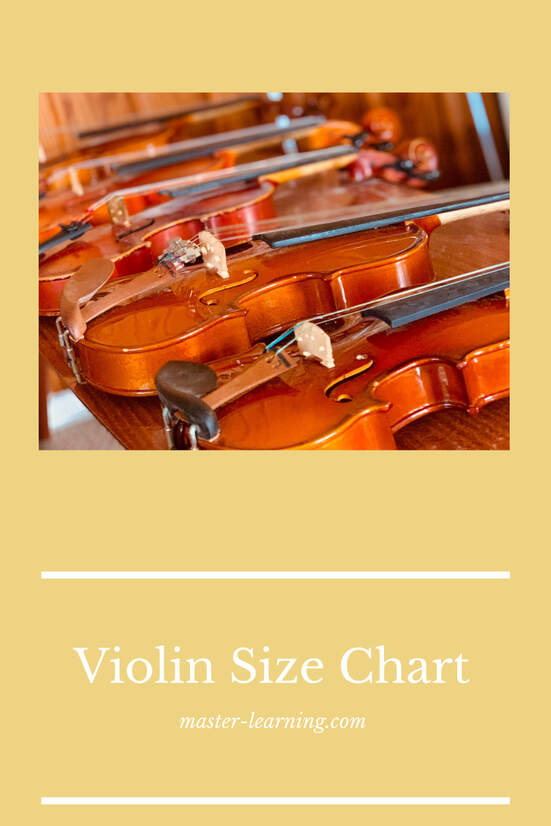
Choosing the correct violin or viola size often gives parents a headache. We will provide a violin size measurement chart below. You can measure your kid's arm length and decide accordingly. Remember, your teacher is always the best source you can find in order to decide which violin to get and what size of violin you should use. How to Measure for Violin Size?First measurement: From the shoulder to the wrist
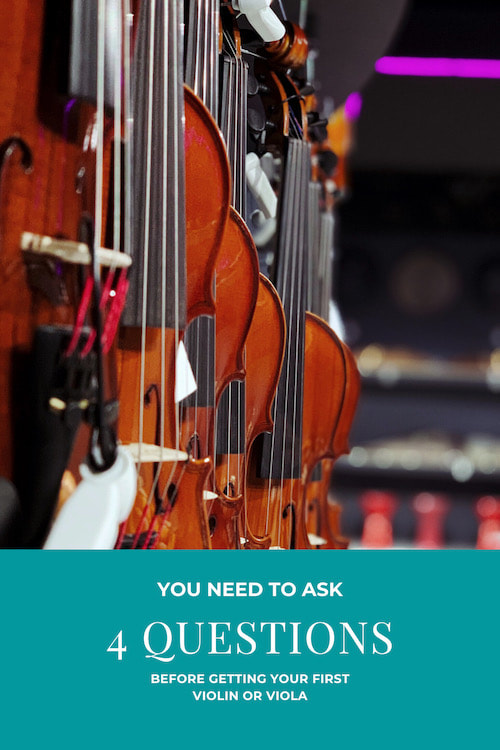
Second measurement: From the neck to the mid palm Whenever I talk to my new students, their parents always want to know more about the instrument. Here are four most-asking questions that I would love to share with you.
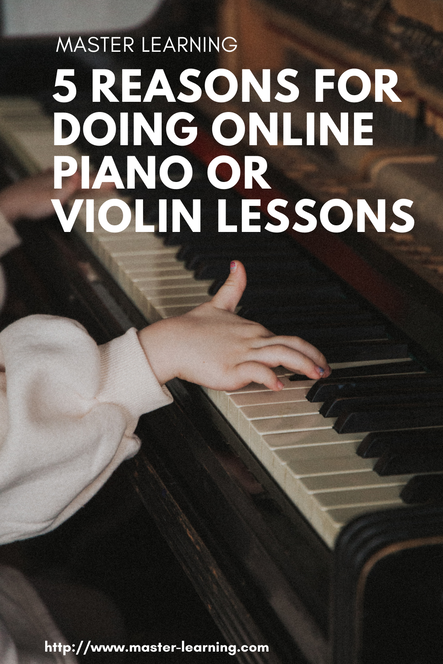
During the COVID-19 pandemic, parents asked me this question from time to time: “Can we do online piano or violin lessons? Face-to-face lessons are what we used to do. ” With the technological advance in video conferencing, it is actually common to do piano and violin lessons online nowadays.
Here are the five reasons why you and your loved one can take online piano lessons: |
RSS Feed